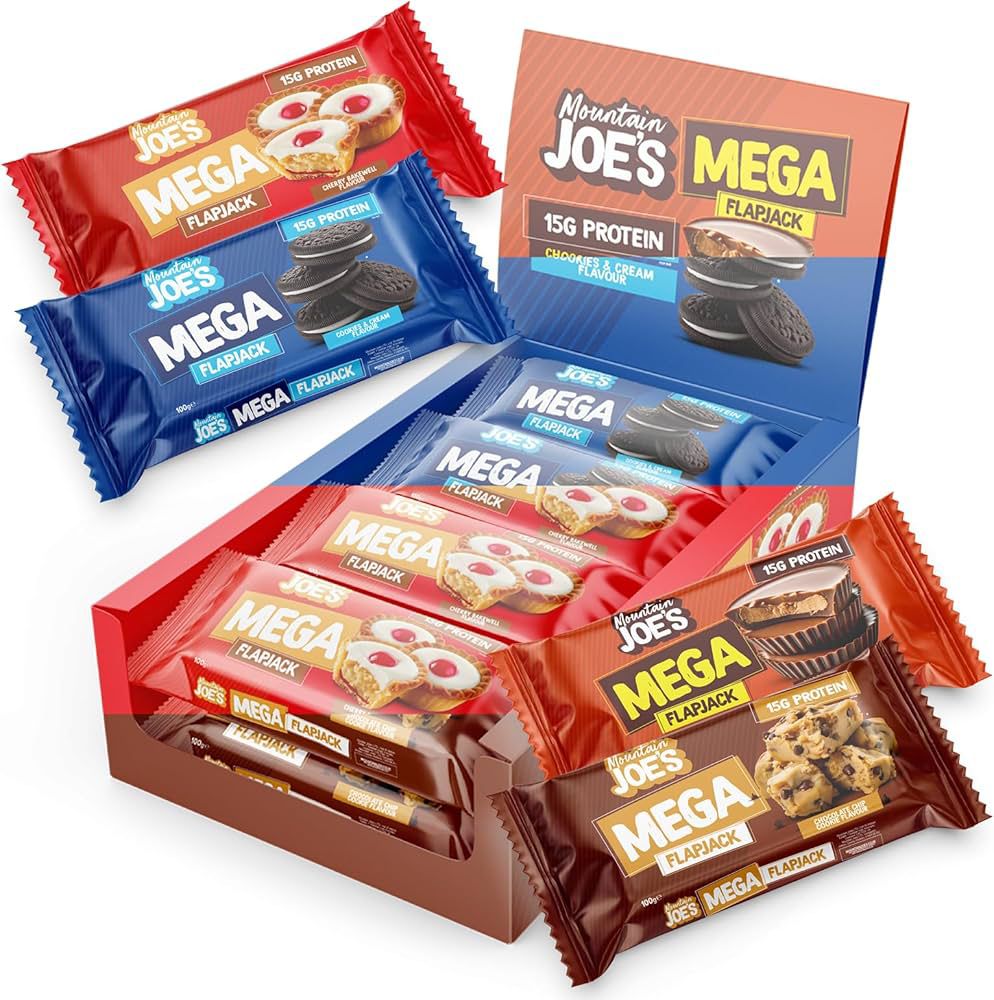
I think it’s important to be transparent with products like this.
Yes, this flapjack can absolutely be useful, but people also need to understand what it is.
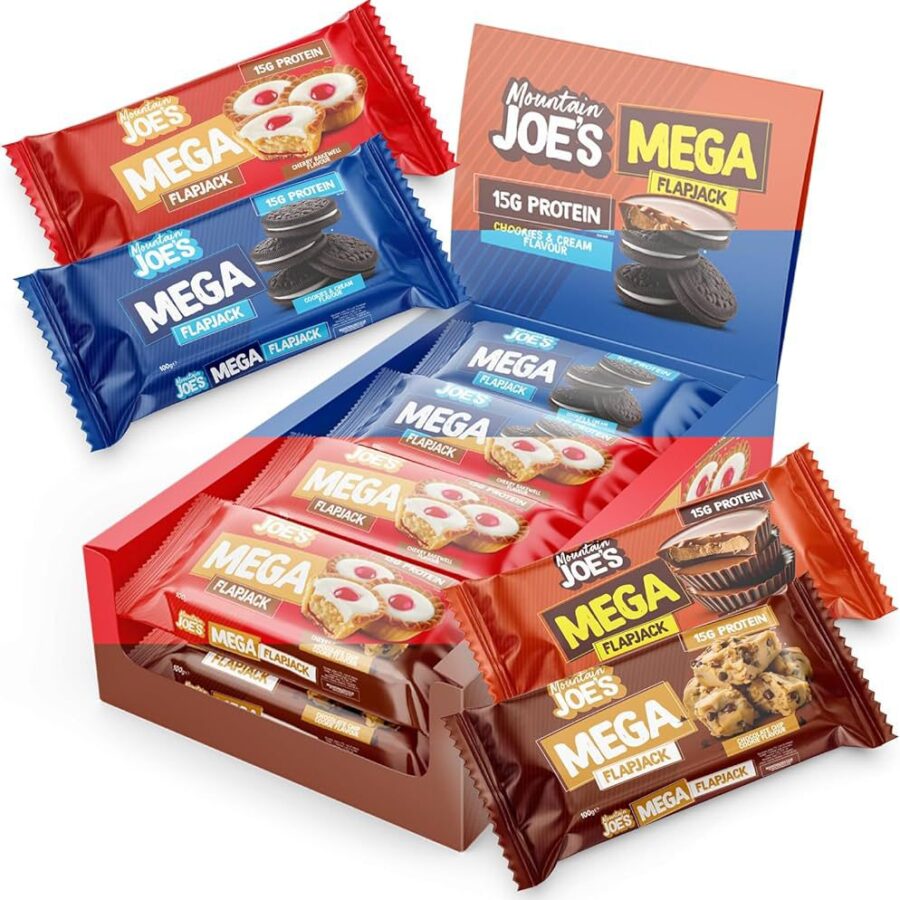
At 450 calories per bar, this isn’t really just a ‘snack’, it’s more of a meal replacement-style bar or high-calorie convenience food designed for people who need quick energy and calories on the go.
You’ve also got to appreciate that products like this contain quite a few processed ingredients and additives to achieve the taste, texture, shelf life and calorie density. That doesn’t automatically make it ‘bad’, but I also wouldn’t pretend it’s the same as sitting down to a well-balanced whole-food meal either.
For me personally, this is the kind of product that has a place, but probably shouldn’t become a staple daily food source.
I’d see it more as:
– A backup option if you miss a meal
– A convenient calorie hit during busy days
– Something useful around hiking, endurance events or long travel days
– A practical option for people struggling to eat enough calories
– An occasional performance-focused convenience food
The oat base is still a positive because oats are a very solid carbohydrate source for sustained energy, and I do like the fact there’s added protein in there as well. Most people could benefit from improving protein intake across the day rather than leaving it all until the evening.
But overall, I think honesty matters here. This is a convenient high-calorie flapjack with some nutritional benefits, but not a ‘health food’. Used appropriately, it can absolutely have a place. I just wouldn’t build your entire diet around products like this.
And of course, let’s be honest, sometimes you just want something that tastes good as well. This absolutely falls into that category.
The Science:
Whole grain oats, more than just a fiber: Role of unique phytochemicals
Study: This review examined oats as a carbohydrate source and discussed their effects on satiety, sustained energy release, cardiovascular health and exercise nutrition.
Molecular Nutrition & Food Research, 2010
https://pubmed.ncbi.nlm.nih.gov/28067025/
Oats provide a slow-releasing carbohydrate source alongside fibre and bioactive compounds, making them useful for sustained energy and satiety throughout the day.
Dietary protein distribution positively influences 24-h muscle protein synthesis in healthy adults
Study: Researchers investigated whether spreading protein intake more evenly throughout the day improved muscle protein synthesis compared to skewing protein intake into fewer meals.
Journal of Nutrition, 2014
https://pubmed.ncbi.nlm.nih.gov/24477298/
Distributing protein intake more evenly throughout the day improved muscle protein synthesis, supporting the idea of including protein-rich snacks between meals rather than relying solely on one large protein intake later in the day.