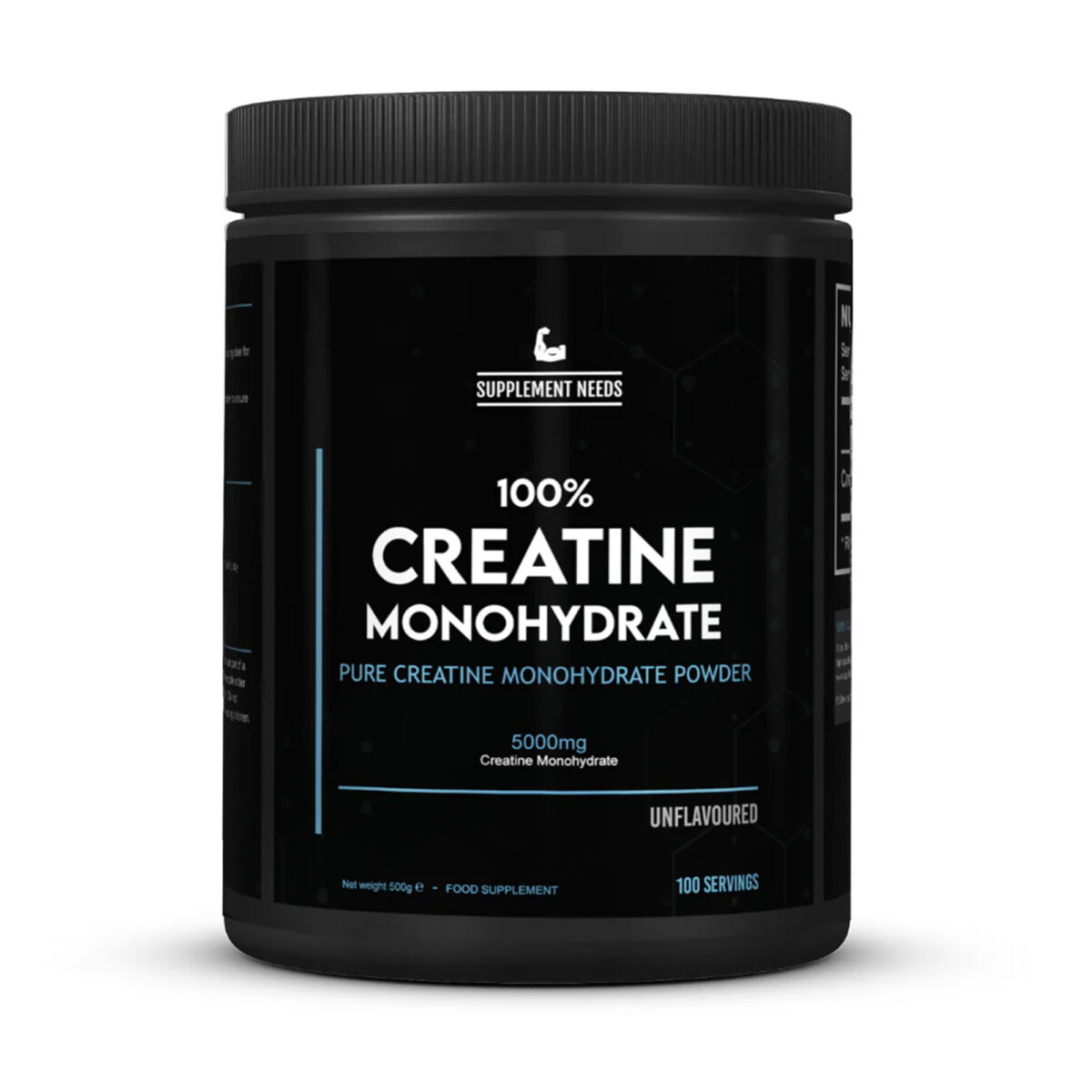
Firstly, is creatine safe? A question I get asked a lot!
After what is approaching 30 years of detailed scientific research, it’s safe to say that creatine appears to be very safe, and extremely effective, although when it is taken at high doses (and we are talking nonsensically high doses) there is the potential for serious side effects, such as kidney damage. High doses may also stop the body from making its own creatine.
Secondly, what does it do? What are the pros of taking creatine?
Well, for people who work out regularly, studies show that taking creatine supplements may:
* Improve their exercise performance.
* Help their recovery after intense exercise.
* Increase their muscle mass.
* Prevent severe muscle injuries or reduce the severity of muscle injuries.
* Help athletes tolerate more intense activity.
* Reduce dehydration and cramping.
* Minimise muscle tightness, including muscle strains and pulls.
If you’re a vegetarian or vegan, you may see more significant muscle gains by taking creatine supplements because you don’t get creatine through animal-based sources. However, building up creatine levels in your muscles may take longer.
Who it’s for:
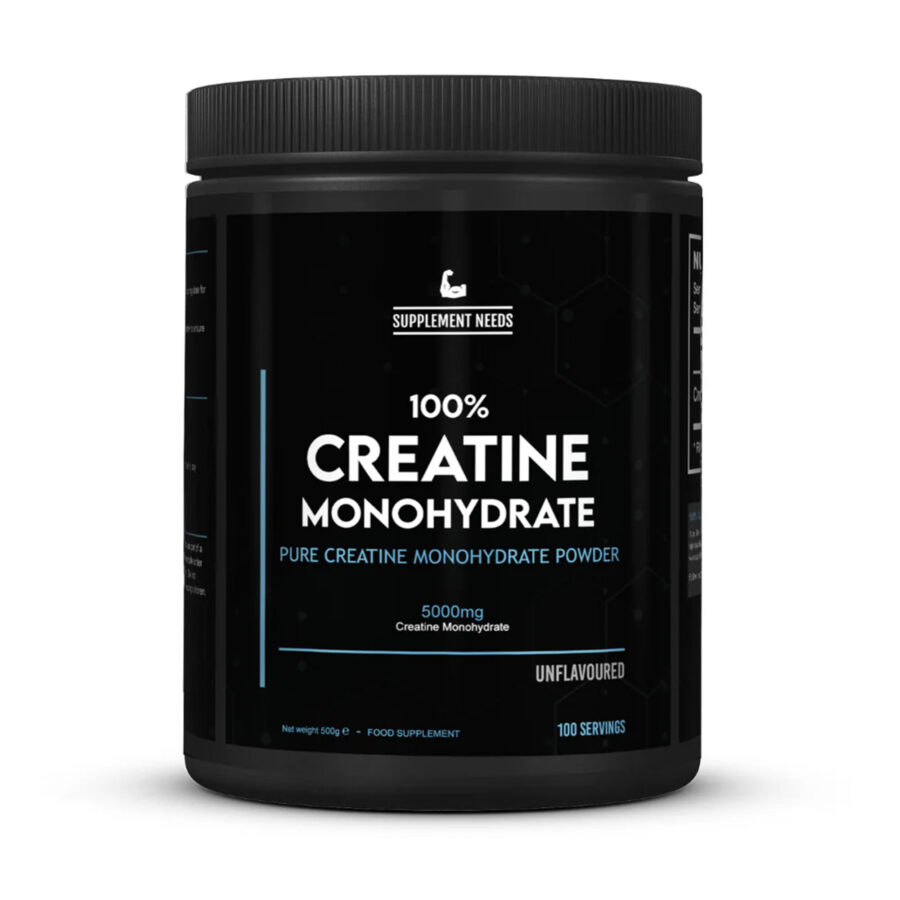
Anyone looking to enhance performance in strength, power, or high-intensity workouts – lifting, sprinting, or team sports. Great for those who want a trusted, clean creatine source without additives.
What it does:
Creatine increases phosphocreatine stores in muscle, helping regenerate ATP faster during short bursts of effort – allowing harder workouts and better recovery. It’s one of the most effective ergogenic aids available, with further potential brain and longevity benefits emerging.
How I would use it:
My thoughts on creatine supplementation have evolved in recent years as more research has emerged, particularly around its potential benefits for both physical performance and cognitive function.
If I were starting creatine for the first time today, this is the approach I would personally take:
Days 1-5
Take 5g daily, mixed with water, juice, electrolytes or EAA’s. Consistency is more important than timing, so choose a time of day you can stick to on both training and non-training days.
The goal during this phase is simply to assess tolerance. Whilst creatine is extremely well researched and considered very safe, some individuals may experience mild digestive discomfort initially.
Days 6-10
Increase intake to 10g daily.
At this stage, muscle creatine stores continue to increase and many people begin to notice subtle improvements in training performance, particularly strength, power output and recovery between efforts.
Again, monitor how your digestive system responds to the increased dose.
Day 11 Onwards
Increase intake to 15g daily if desired.
This is where some of the emerging research becomes particularly interesting. Beyond the well-established physical performance benefits, higher intakes may provide additional support for cognitive performance, brain health and mental resilience.
Whilst traditional recommendations have typically centred around 3-5g daily, newer studies suggest that higher intakes may be beneficial for some individuals. Research has shown doses up to 20g per day to be safe in healthy individuals, although requirements will vary depending on body size, activity levels and individual goals.
Common Side Effects
Some people experience mild water retention or a small increase in body weight when starting creatine. This is completely normal and reflects increased water storage within the muscle cells, one of the mechanisms through which creatine supports performance.
Digestive issues can occasionally occur, particularly when larger doses are introduced too quickly. In most cases, these can be minimised by increasing intake gradually and ensuring adequate hydration.
Creatine remains one of the most researched, effective and best-value supplements available. Whether your goal is improved gym performance, enhanced recovery, maintaining muscle mass as you age, or supporting cognitive function, it is one of the few supplements I would consider a genuine staple. For most people, it offers benefits that extend far beyond simply building muscle.
The Science:
Enhanced Athletic Performance & Recovery
Study: Creatine supplementation is safe, beneficial throughout the lifespan.
Published in: Frontiers in Nutrition.
https://shorturl.at/X1ncH
This comprehensive review confirms creatine monohydrate’s effectiveness in boosting strength, power, muscle mass, and aiding recovery across all age groups. It also clearly states its status as “Generally Recognised as Safe” (GRAS) by multiple health agencies.
Safety & Efficacy in High-Intensity Athletic Use
Study: Safety and efficacy of creatine monohydrate supplementation in exercise, sport, and medicine.
Published in: Journal of the International Society of Sports Nutrition
https://shorturl.at/1evYI
This review highlights creatine’s proven benefits – including improved exercise performance, recovery, and injury prevention – while also showing that even long-term use (up to 30 g/day for years) is well tolerated in various populations.